

 See My Latest Article on HelloNation
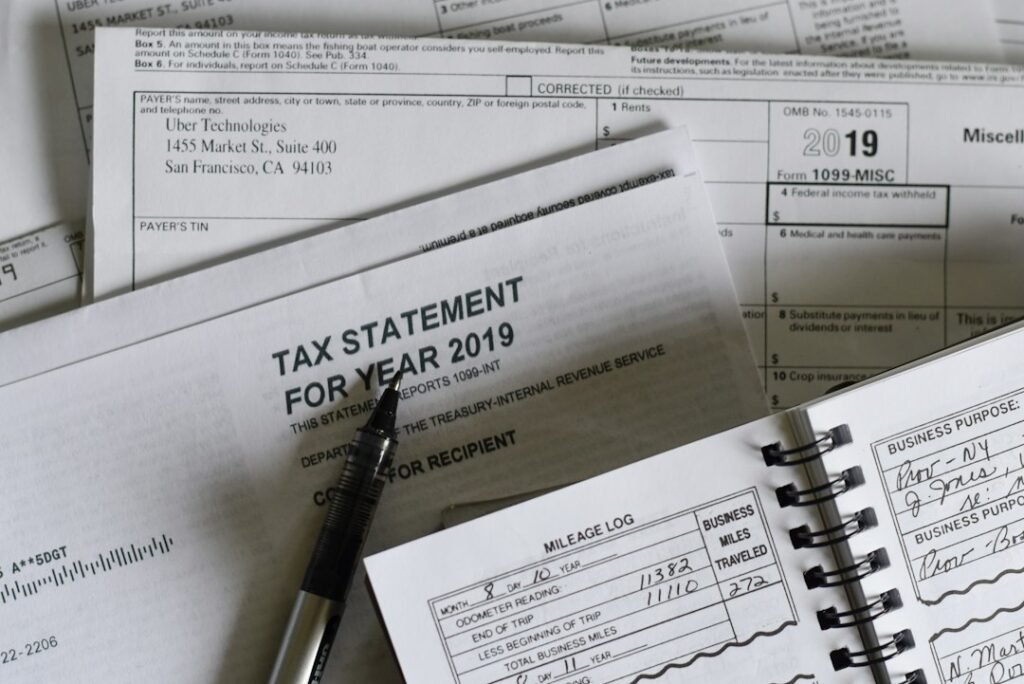
Whether the work is occasional, seasonal, or performed every weekend, side-hustle earnings are usually taxable. The IRS generally requires residents to report income from freelance work, app-based services, online sales, rentals, and other money-making activities—even when no tax form arrives. ([irs.gov](https://www.irs.gov/businesses/small-businesses-self-employed/manage-taxes-for-your-gig-work?utm_source=openai))
What counts as a taxable side hustle?
A side hustle is generally taxable when you receive money, property, or something of value in exchange for goods or services. Common examples include:
- Freelance writing, design, photography, repair, or consulting
- Driving, delivery, errands, or task-based work
- Selling handmade goods, used items, or products online
- Renting out equipment, a room, or part of a home
- Providing seasonal services such as yard work, moving help, or event services
- Receiving payment through cash, checks, digital platforms, barter, or online payment systems
The tax treatment depends partly on whether the activity is a business, an occasional sale, a rental arrangement, or employment. However, the absence of a formal business name or business bank account does not automatically make the income nontaxable.
The IRS states that most income is taxable unless a specific law excludes it. Income must generally be reported even if the payer does not issue a Form 1099. ([irs.gov](https://www.irs.gov/filing/taxable-income?utm_source=openai))
Do I have to report side-hustle income if I do not receive a 1099?
Yes. A Form 1099 is an information document, not permission to leave income off a tax return. You are responsible for tracking all payments received, including cash and payments processed through apps or websites.
A payer may issue Form 1099-NEC for nonemployee compensation, Form 1099-K for certain payment-card or third-party network transactions, or another information form depending on the activity. The form may not show every dollar you earned, and payments may be reported differently from your own records.
Keep a running record of:
- Date and amount of each payment
- Name of the customer or platform
- Description of the work or item sold
- Refunds, cancellations, and platform fees
- Business-related expenses
- Mileage or other transportation records
A separate checking account is not required in every situation, but separating side-hustle transactions from household spending can make recordkeeping much easier.
When does side work trigger self-employment tax?
If the activity is operated as a business or independent-contractor work, the taxable amount is usually based on net profit—not simply the total amount received. Net profit is generally income minus allowable business expenses.
The IRS generally requires a federal return to include self-employment income when net earnings from self-employment reach $400 or more. Self-employed individuals may owe both regular federal income tax and self-employment tax, which helps fund Social Security and Medicare. ([irs.gov](https://www.irs.gov/businesses/small-businesses-self-employed/self-employed-individuals-tax-center?utm_source=openai))
For example, suppose a resident earns $8,000 delivering items during the year and has $2,500 of allowable business expenses. The starting point for tax calculations may be approximately $5,500 of net profit, subject to the applicable rules and limitations.
That does not mean every expense is automatically deductible. The expense generally must be ordinary and necessary for the activity, and personal expenses cannot be deducted merely because the work is performed from home.
Which expenses may be deductible?
Business expenses can reduce taxable profit when they are properly connected to the activity and supported by records. Potential examples include:
- Supplies used to provide the service
- Platform or payment-processing fees
- Advertising and business-related software
- Business insurance
- Equipment used for the work
- Professional licenses or required permits
- A qualifying portion of home expenses
- Business-use vehicle expenses

For vehicle work, a taxpayer may generally use either the standard mileage method or an actual-expense method, subject to IRS rules. For tax year 2025, the standard business mileage rate is 70 cents per mile. Mileage logs should identify the date, destination, business purpose, and miles driven. Personal driving and ordinary commuting generally do not qualify as business mileage. ([irs.gov](https://www.irs.gov/publications/p463?utm_source=openai))
The hot, dry conditions common in Midland can make vehicle maintenance and fuel costs especially noticeable for delivery, service, and mobile-work activities. Even so, only the business-use portion is generally relevant, and personal driving must be separated carefully.
Is occasional selling different from running a business?
Sometimes. Selling personal belongings at a loss is generally not treated the same as operating a business, and personal losses usually are not deductible. Selling items for more than their original cost may create a taxable gain.
An activity operated with continuity and an intention to earn profit is more likely to be treated as a business. Factors can include regularity, businesslike records, pricing practices, advertising, and whether the activity is conducted to make a profit.
The distinction can be complicated for online sellers. Selling a few household items after a move is different from regularly buying inventory for resale. The amounts involved, purchase records, and nature of the activity all matter.
Do I need to make quarterly estimated tax payments?
Possibly. Independent contractors and other self-employed workers usually do not have an employer withholding federal income tax or employment taxes from each payment. Estimated tax payments can help cover the expected liability during the year. ([irs.gov](https://www.irs.gov/businesses/small-businesses-self-employed/self-employed-individuals-tax-center?utm_source=openai))
The regular federal estimated-tax due dates are generally:
- April 15
- June 15
- September 15
- January 15 of the following year
If a due date falls on a weekend or legal holiday, the deadline generally moves to the next business day. The IRS also explains that an employee may be able to increase withholding from a regular paycheck instead of making separate estimated payments. ([irs.gov](https://www.irs.gov/businesses/small-businesses-self-employed/manage-taxes-for-your-gig-work?utm_source=openai))
Whether estimated payments are required depends on the taxpayer’s overall income, withholding, credits, deductions, prior-year tax, and expected balance due. A side hustle may create a tax bill even when the main job’s paycheck withholding is accurate for wages alone.
Does Texas tax side-hustle income?
Texas does not impose a personal state income tax, so individual side-hustle earnings generally are not subject to a Texas personal income tax. Federal income tax and self-employment tax can still apply. ([star.comptroller.texas.gov](https://star.comptroller.texas.gov/view/9804281L?utm_source=openai))
Other obligations may arise depending on what is being sold or provided. For example, sales-tax registration and collection rules can apply to certain taxable goods or services. Those rules depend on the type of transaction, the seller’s activities, and applicable thresholds.
A person operating through a formal business entity may also encounter separate reporting requirements. The legal structure of an entity can affect Texas franchise-tax responsibilities, which are different from an individual’s federal income tax return. ([comptroller.texas.gov](https://comptroller.texas.gov/taxes/franchise/?utm_source=openai))
What should Midland residents do throughout the year?
A simple monthly routine can prevent many filing problems:
1. Record every payment received.
2. Save receipts and digital records for business expenses.
3. Track business mileage as it occurs.
4. Set aside part of net earnings for federal taxes.
5. Review whether paycheck withholding needs adjustment.
6. Keep copies of 1099 forms and platform statements.
7. Reconcile records before preparing the annual return.
Side-hustle income is not automatically tax-free because it is small, paid in cash, temporary, or earned outside normal work hours. The most reliable approach is to report all income, claim only supportable business expenses, and distinguish personal activity from genuine business use.