

 See My Latest Article on HelloNation
Why Do Residents in Midland, TX File Taxes Online?
Filing taxes online offers area residents flexibility and convenience, especially given the region’s typical work schedules and variable spring weather. Online filing makes it possible to handle tax obligations without a trip across the city, saving time and reducing paperwork. Many local households choose this method for its speed in receiving refunds as well.
What Documents Do You Need Before You Start?
Almost everyone needs the same basic paperwork, but gathering them in advance is key for a smooth process:
- Social Security numbers (for yourself, spouse, and any dependents)
- W-2 forms from employers
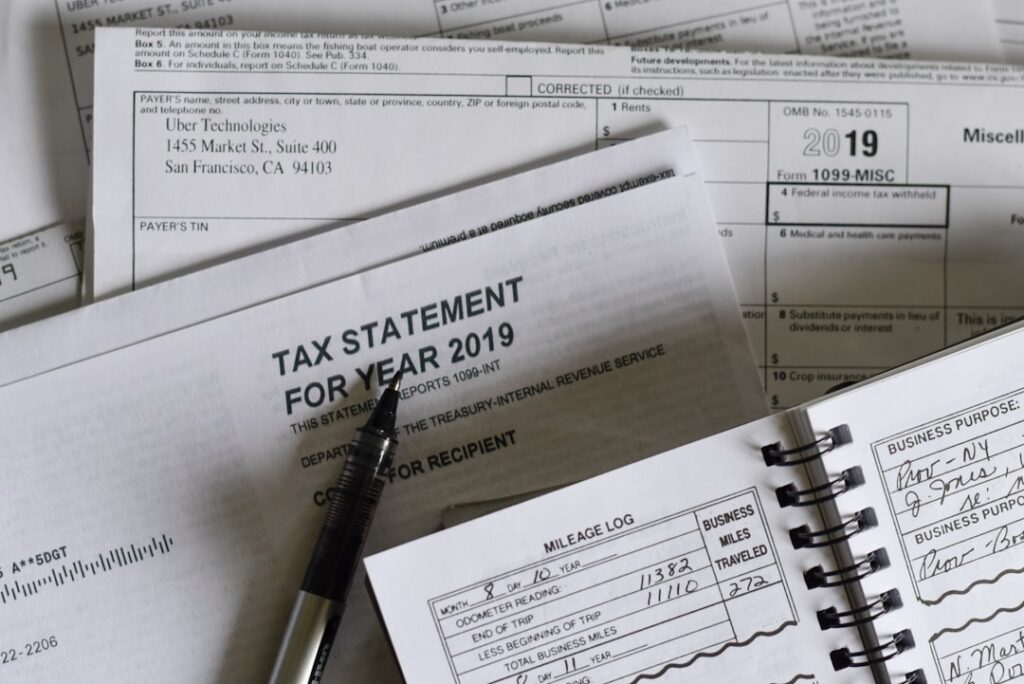
- 1099 forms for additional income (such as contract work, savings interest, or unemployment)
- Proof of deductible expenses if you plan to itemize (such as receipts, mortgage interest statements, and property tax bills)
- Documentation for local property taxes, which can be relevant for many homeowners in the area
- Last year’s tax return (helpful for reference)
Having these documents organized from the start can save time, help avoid errors, and ensure the online system accepts your submission on the first attempt.
Which Online Platforms Are Trusted for Filing?
There are several IRS-authorized options for online self-filing. Some are free if your income falls below certain thresholds. The IRS Free File program is accessible from any device and is especially useful for residents who want to avoid fees. Community members often use reputable online platforms, but the specific choice depends on individual preference for user experience and support.
Always access electronic filing platforms directly through the official IRS website or by typing the exact web address, not via search ads. This step reduces the risk of encountering fraudulent sites—a concern that rises during tax season in all regions.
How Does Online Filing Work, Step by Step?
The actual process is designed to be straightforward, even for first-timers:
1. Choose your online filing option. Start with the IRS Free File tool or a well-known platform of your choice.
2. Create your secure account. Enter your email, set a strong password, and follow security prompts to verify your identity.
3. Enter personal and income details. Input your basic information and the numbers from your W-2s and 1099s, double-checking entries for accuracy.
4. Answer residential and local tax questions. Some platforms may ask about property tax payments or state filing needs. In Midland, you will likely focus on federal returns due to the lack of a state income tax. Still, property owners should watch for local tax deduction possibilities.
5. Confirm deductions and credits. The system will prompt you to answer questions about potential credits (like child or education credits) and itemized deductions.
6. Review your return for common errors. Most errors occur from typos or missing income, so always check each entry. Online software typically flags possible mistakes before you submit.
7. Submit electronically and save a copy. Once satisfied, electronically submit your return. Download or print the confirmation, as well as a copy of your tax return, for your records.
What Are Common Mistakes to Avoid When Filing Online?
Local residents sometimes run into avoidable problems such as:
- Incorrect Social Security numbers or date of birth entries
- Omitting small sources of income listed on a 1099 form
- Forgetting to update dependents or address details after a move
- Overlooking deductible property tax or home mortgage interest payments
- Failing to save electronic receipts or digital confirmation

Careful document prep and double-checking each step can prevent these issues.
What If You Owe Taxes or Expect a Refund?
Both situations can be managed easily online:
- If a refund is due, you may opt for direct deposit. Many Midland households receive electronic refunds in as few as 10-14 days.
- If you owe money, e-filing platforms generally offer various payment options: bank transfer, debit/credit card, or scheduled payments. Residents are encouraged to pay by the April filing deadline to avoid penalties.
The city’s banking relationships and direct deposit options make both paying and receiving refunds digitally secure and efficient.
How Can You Stay Safe While Filing at Home?
Data privacy is essential, especially with sensitive personal and financial information involved:
- Avoid public Wi-Fi when transmitting personal details
- Install current antivirus software on home devices
- Use only official websites for submitting returns
- Store electronic copies of tax returns securely, such as on an encrypted external drive or in a password-protected folder
Awareness of scam attempts tends to rise during the spring, so it’s wise to be suspicious of emails or phone calls requesting confidential information about your taxes.
Are There Local Resources If You Need Additional Help?
Some area residents qualify for free tax assistance through federally-supported programs. Local libraries and community centers sometimes host seasonal workshops or provide access to secure computers for filing. Check with public agencies and community announcements for current offerings, especially if you are new to the process, lack internet at home, or require accessibility accommodations.
What Deadlines Should Residents in Midland Remember?
Federal tax returns are typically due in mid-April. If you cannot file on time, requesting an extension electronically is possible—but remember, an extension only extends the filing deadline, not the payment deadline. Making estimated payments by April avoids late fees or interest.
Those who experienced local emergencies or lost documents due to weather events should monitor IRS updates, as filing and payment deadlines may sometimes adjust due to disaster declarations.