

 See My Latest Article on HelloNation
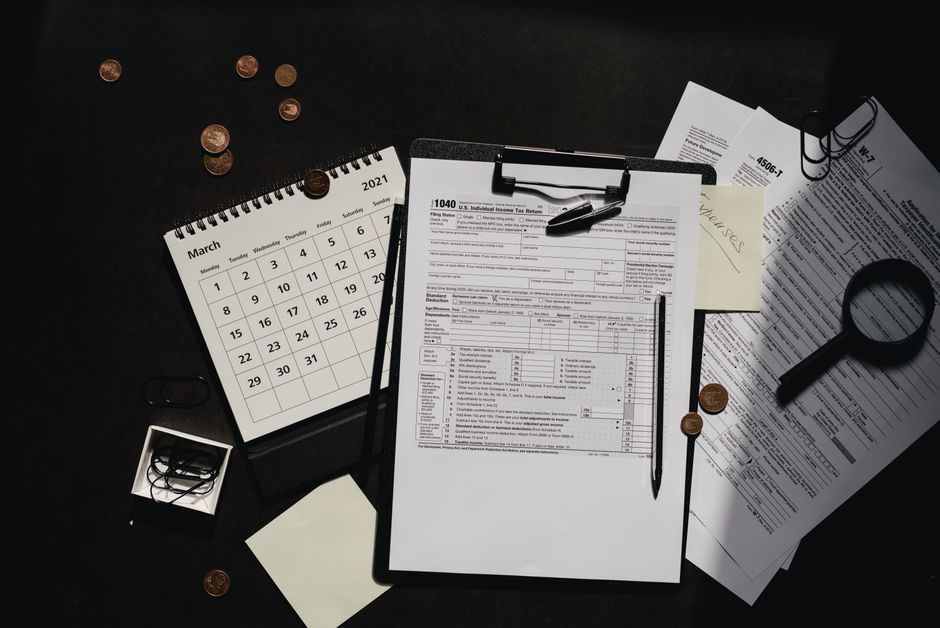
Why Do Tax Filing Errors Happen in Midland, TX?
Tax filing mistakes often occur due to misunderstandings about the process, overlooked deadlines, or simple data entry errors. For area households, the complexity of federal and state tax codes, mixed with unique factors like oil and gas income or property ownership, can add layers of confusion.
What Are the Most Common Tax Filing Mistakes for Local Residents?
The most frequent tax filing mistakes that affect community members involve missing documentation, inaccurate Social Security numbers, and failing to report all income. Missing a form or entering a digit incorrectly on a tax ID can delay refunds or spark unwanted correspondence from the IRS.
Common examples local households may encounter:
- Forgetting to include income from side work, part-time jobs, or oil and mineral royalties
- Entering an incorrect bank routing number for direct deposit
- Omitting Form 1095-A for residents who received health coverage through the Marketplace
How Can Missed Deductions or Credits Impact Households?
Missed deductions and credits mean paying more than necessary or not receiving the full benefit available. Residents sometimes overlook state sales tax credits, education expenses (like those for college students or adult learners), or property tax breaks, all of which can be relevant in the community.
Quick tips for minimizing missed deductions:
- Save receipts for home improvements, energy efficiency projects, and charitable donations
- Keep records of education payments and student loan interest
- Verify eligibility for credits related to children, dependents, or adoption
How Do Filing Status and Dependent Claims Cause Confusion?
Incorrectly selecting a filing status or claiming dependents who don’t qualify is a widespread challenge. For example, multi-generational households—common in parts of the region—may be unsure who can claim a child or a relative. Incorrect status or dependent claims can result in rejected returns or delayed processing.
To avoid this, double-check:
- Each dependent’s relationship and residency qualifications
- Shared custody agreements that determine who claims a child in separated families
- Eligibility for “Head of Household” versus “Single” status
Why Is Accurate Address and Personal Information Important?
Inaccurate mailing addresses or outdated personal details can hold up refunds and important notices. Moves between rental properties, new build homes, or changes due to severe weather repairs sometimes result in missed IRS correspondence.
Always update:
- Mailing address with both the USPS and the IRS using Form 8822 if you move
- Any change in legal name following marriage or divorce
- Bank account information if you want direct deposit for a refund
What Documents Are Often Overlooked by Area Taxpayers?
Even diligent residents may forget to include certain forms, especially when life changes occur. These can include forms related to:
- Health insurance coverage (Form 1095-A, 1095-B, or 1095-C)
- Early withdrawals from retirement accounts (Form 1099-R)
- Income from mineral rights or land leases, which is especially relevant for property owners
Maintaining a checklist of all income sources and major life events can help prevent missing key documents.
How Do Local Climate Events Affect Tax Filing Mistakes?
Severe weather events, such as hail or wind damage, sometimes prompt residents to make emergency repairs or replace property. These expenses may be eligible for casualty loss deductions if part of a federally declared disaster. However, misunderstanding the documentation requirements or timing of such claims can result in errors.
Advice for area households:
- Save detailed records and receipts for repairs and replacements following a climate event
- Consult current IRS guidance for disaster-affected areas
What Deadlines Matter Most for Residents Filing Taxes?
Missing deadlines is a common, preventable mistake that can lead to penalties—even if you are owed a refund. Key federal deadlines are typically April 15 for individual returns, but residents who experience a disaster may sometimes receive extensions from the IRS. Additionally, estimated tax payment deadlines apply to self-employed individuals and independent contractors.
Tips for staying on top of deadlines:
- Mark important IRS dates on home calendars or phone reminders
- File early when possible to avoid stress and reduce the risk of identity theft
How Can Simple Filing Errors Delay Refunds?
Simple mistakes—like math errors, unsigned forms, or unchecked boxes—are all too common. These small missteps can prompt the IRS to hold a return for review, which can slow down refund processing for weeks.
Before finalizing your return:
- Double-check all calculations, even if using software
- Make sure all required signatures are present if filing a paper return
- Review every page or screen for missed questions and unchecked boxes
What Should Local Residents Double-Check Before Submitting Returns?
A careful, last review is the best way to catch anything missed. Use a checklist specific to your household situation to confirm:
- All forms and schedules are included
- All reported income matches official tax documents
- Any supporting documentation—such as receipts for deductions or credit claims—are organized for reference
Taking these steps helps area residents avoid the most frequent tax mishaps and ensures a smoother tax season.